Embroidery Clipart
First Impression: A Versatile Design for Every Craft Fair
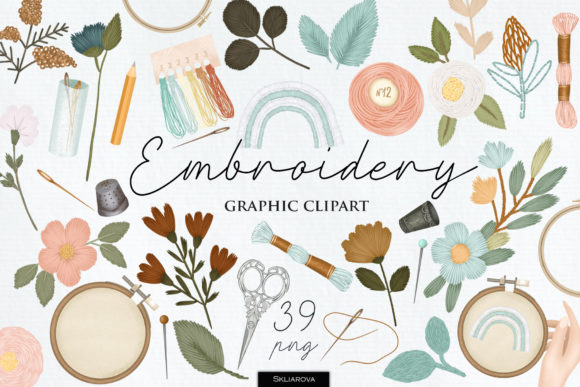
The first thing that catches my eye about Embroidery Clipart is its clean, modern aesthetic. With a transparent background and high-quality 300 dpi resolution, it feels professional and ready for use. The design appears to be well-structured, making it easy to visualize how it would translate onto fabric. Whether it's bold, cute, or elegant, the Embroidery Clipart collection offers a range of elements that can suit various markets and customer preferences.
Design Suitability for Craft Fair Products
As an experienced embroidery designer, I’ve seen what works and what doesn’t in a busy craft fair environment. Embroidery Clipart has the potential to stand out on a variety of products. From tote bags and aprons to tea towels and embroidered patches, this collection seems versatile enough to work across multiple product types. Its size—approximately 3000x3000 px—allows for scalability, which is essential when creating mockups and preparing for display at a booth.
Embroidery Clipart could easily become a staple in a small shop product lineup. The 39 separated PNG files make it simple to customize and apply to different items. For example, a tea towel embroidery with one of these designs might draw attention from those looking for farmhouse-style décor. Similarly, a toe bag design featuring a whimsical element could attract customers who appreciate playful, handmade items.
Practical Considerations for Production and Display
One of the key factors in choosing a design for a craft fair is how it performs on actual products. Embroidery Clipart should be tested on scrap fabric to ensure clarity and stitch density. While the design appears detailed, some areas may require careful attention during the embroidery process. Dense stitch areas or tiny details could become problematic if not properly managed. It’s important to check thread contrast and spacing to maintain visual appeal and readability on fabric.
When considering how Embroidery Clipart looks on different fabrics, keep in mind that dark or textured materials may affect the final appearance. For instance, using this design on a thick fabric like denim might reduce visibility, while a smooth cotton surface could enhance the detail. Additionally, curved surfaces such as caps present unique challenges, so it’s crucial to test the design on similar materials before mass production.
Online Visibility and Brand Consistency
In today’s market, online listings are just as important as in-person displays. Embroidery Clipart should photograph well for Etsy listings and printable mockups. Its high-resolution quality ensures that images look sharp and professional, which is vital for attracting buyers. A well-designed printable mockup can help showcase the design’s potential on a variety of products, giving potential customers a clear idea of how it will look in real life.
For brand consistency, Embroidery Clipart offers a range of design assets that can be used across multiple products. This makes it ideal for creating a cohesive line of handmade products that reflect a specific style or theme. Whether you're aiming for a rustic, modern, or festive vibe, the flexibility of Embroidery Clipart allows for creative expression without compromising quality.
Selling Points and Customer Engagement
What sets Embroidery Clipart apart is its ability to capture customer attention quickly. The design’s simplicity and clarity make it easy to understand at a glance, which is especially important in a fast-paced craft fair setting. A well-placed embroidered patch or a toe bag design with a standout feature can draw in buyers who are looking for unique, handcrafted items.
From a seller’s perspective, Embroidery Clipart also supports batch production. Since the files are separated and scalable, it’s easier to create multiple variations or adjust sizes for different products. This is particularly useful for Etsy sellers and small shop owners who need to manage inventory efficiently.
Final Thoughts and Designer Notes
Before committing to using Embroidery Clipart, there are a few practical steps to take. First, test the design on scrap fabric to evaluate stitch density and thread color contrast. Second, confirm hoop size and stabilizer requirements to ensure the design works well with your equipment. Third, create at least one real mockup to see how the design looks on actual fabric.
Lastly, always verify commercial licensing terms before selling finished products. While the description mentions the files can be reduced, it’s important to double-check any restrictions or usage rights associated with the Embroidery Clipart collection. By following these steps, you can confidently bring Embroidery Clipart to life and offer high-quality, visually appealing products that resonate with your target audience.