Embroidery Geometric
A Design That Speaks in Shapes
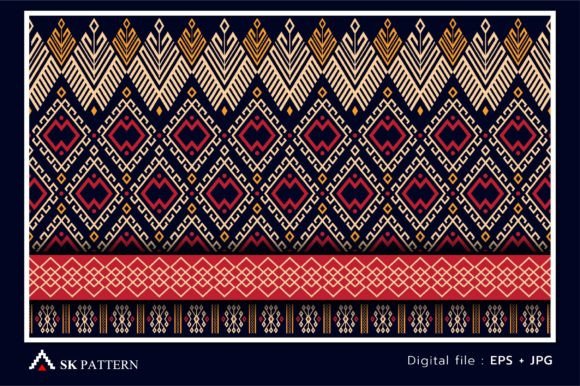
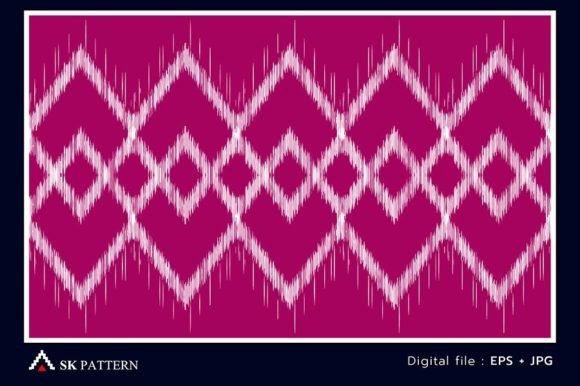
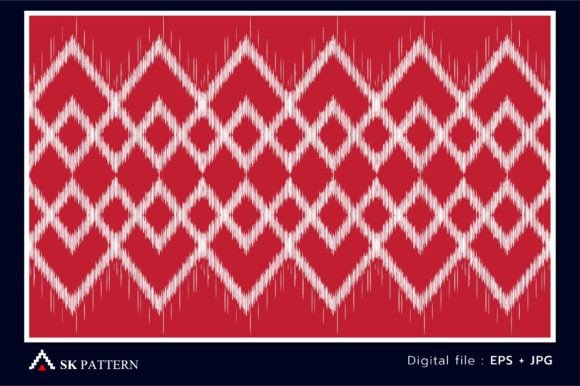
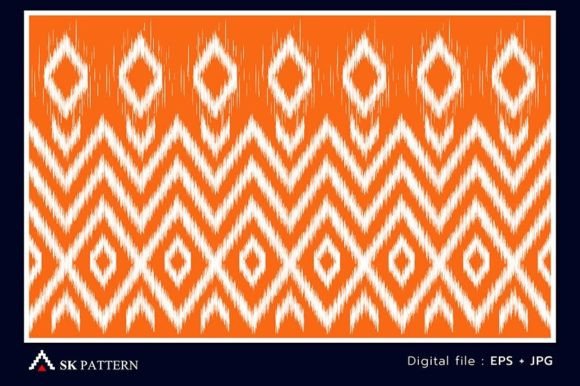
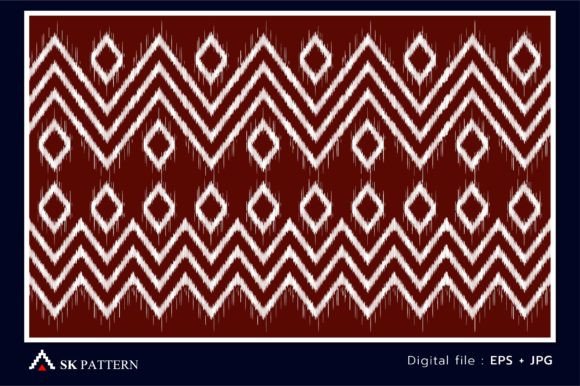
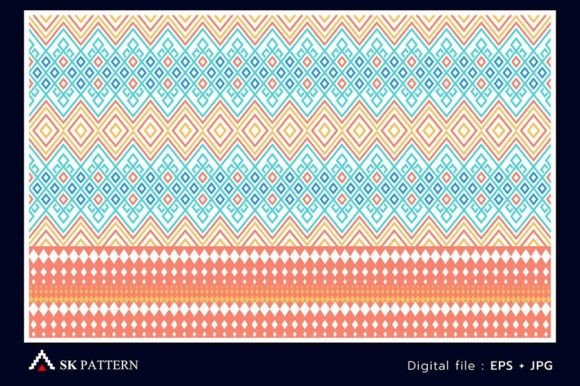
As a designer who’s stitched through countless projects, I’ve learned that the right embroidery design can make or break a finished product. Embroidery Geometric is one such design that immediately caught my eye with its clean lines and structured aesthetic. It feels like a modern interpretation of classic geometric patterns, but with a fresh, contemporary edge. The first impression is one of simplicity and clarity—no clutter, no overcomplication. This makes it ideal for those who want a design that stands out without overwhelming the fabric.
Where Does It Belong?
Embroidery Geometric has a strong visual personality that suits a wide range of applications. From wall art to apparel, it offers versatility that’s hard to ignore. I imagine using it on a custom tote bag design, where the bold shapes would add a touch of sophistication. It could also work beautifully on a baby item, like a onesie or a blanket, where subtle details are key. The pattern’s symmetry suggests it might be well-suited for items that require balance and harmony, such as a throw blanket or a tapestry.
But let’s not forget about the practical side. When considering real-world use, I think about how this design would perform in different contexts. For example, if I were creating a custom sweatshirt embroidery, the geometric elements would add a modern flair without being too busy. On a cap or hat, the design’s clean lines would translate well, especially if the fabric is flat and stable.
Real-Life Testing: What Happens When You Stitch It?
Before jumping into a project, I always recommend testing an embroidery design on scrap fabric. This helps identify any potential issues before committing to a final product. With Embroidery Geometric, I’d start by checking stitch density and thread color contrast. A high stitch count could lead to bulkiness, especially on thin or stretchy fabrics. The design’s intricate details mean that even minor inconsistencies in stitching could affect the overall look.
Another consideration is hoop size. Depending on the complexity of the design, the hoop may need to be larger than expected. If the design includes small details or tight corners, it could be challenging to stitch accurately without distortion. I’d also check whether the file format—here, an EPS file and a JPG—is compatible with the embroidery machine being used. While these formats are standard, it’s always good to confirm before proceeding.
When to Be Cautious
Not every fabric is created equal, and some materials can be tricky to work with. Embroidery Geometric might not be the best choice for textured or stretchy fabrics, as these can cause the design to shift or distort during stitching. Dark fabrics could also pose a challenge, especially if the design relies on subtle shading or contrast. In such cases, adjusting thread colors or adding a stabilizer might be necessary to ensure clarity and definition.
Products that require frequent washing, like tea towels or kitchen linens, might also need extra care. The design’s durability and resistance to fading should be considered, especially if the finished product will be used regularly. Similarly, curved surfaces like caps or hats might require additional support to maintain the design’s integrity during stitching.
Design Impact and Practical Value
From a design standpoint, Embroidery Geometric adds visual appeal without sacrificing simplicity. Its geometric nature allows for easy customization, making it a great option for both personal and commercial projects. As a handmade product, it brings a sense of craftsmanship and intentionality that resonates with customers looking for quality and uniqueness.
For Etsy sellers and small shop owners, this design could be a valuable asset in building brand consistency. Whether it’s used on a line of personalized gifts or as part of a boutique branding strategy, the design’s clean lines offer a versatile foundation. It’s also worth noting that the design’s adaptability makes it suitable for printable mockups and digital product previews, which are essential for showcasing work to potential buyers.
Design Notes for Practitioners
If you’re planning to use Embroidery Geometric in your own projects, here are a few practical tips to keep in mind:
- Test on scrap fabric first to assess stitch density and thread contrast.
- Check thread color contrast against the intended fabric background.
- Review stitch density to avoid bulkiness or uneven results.
- Confirm hoop size to ensure the design fits properly and stitches cleanly.
- Inspect small details for clarity and accuracy, especially in dense areas.
- Test in black and white mockups to evaluate how the design translates in different lighting conditions.
- Use proper stabilizer to prevent puckering or shifting on delicate fabrics.
- Ensure the design works for both personal and commercial use by checking licensing terms.
- Confirm licensing before selling finished items or digital products.
Final Thoughts
Embroidery Geometric is more than just a design—it’s a statement. Its clean lines and structured form make it a versatile choice for a wide range of projects, from custom apparel to decorative home goods. While it’s not without its challenges, especially when working with certain fabrics or complex stitching techniques, the design’s clarity and visual appeal make it a strong contender for both hobbyists and professionals alike.
Whether you’re an Etsy seller looking to expand your product line or a craft business owner seeking fresh design inspiration, Embroidery Geometric offers a reliable and stylish option. Just remember to test, adjust, and consider the context in which the design will be used. After all, the goal is to create something that not only looks great but also lasts and resonates with your audience.